
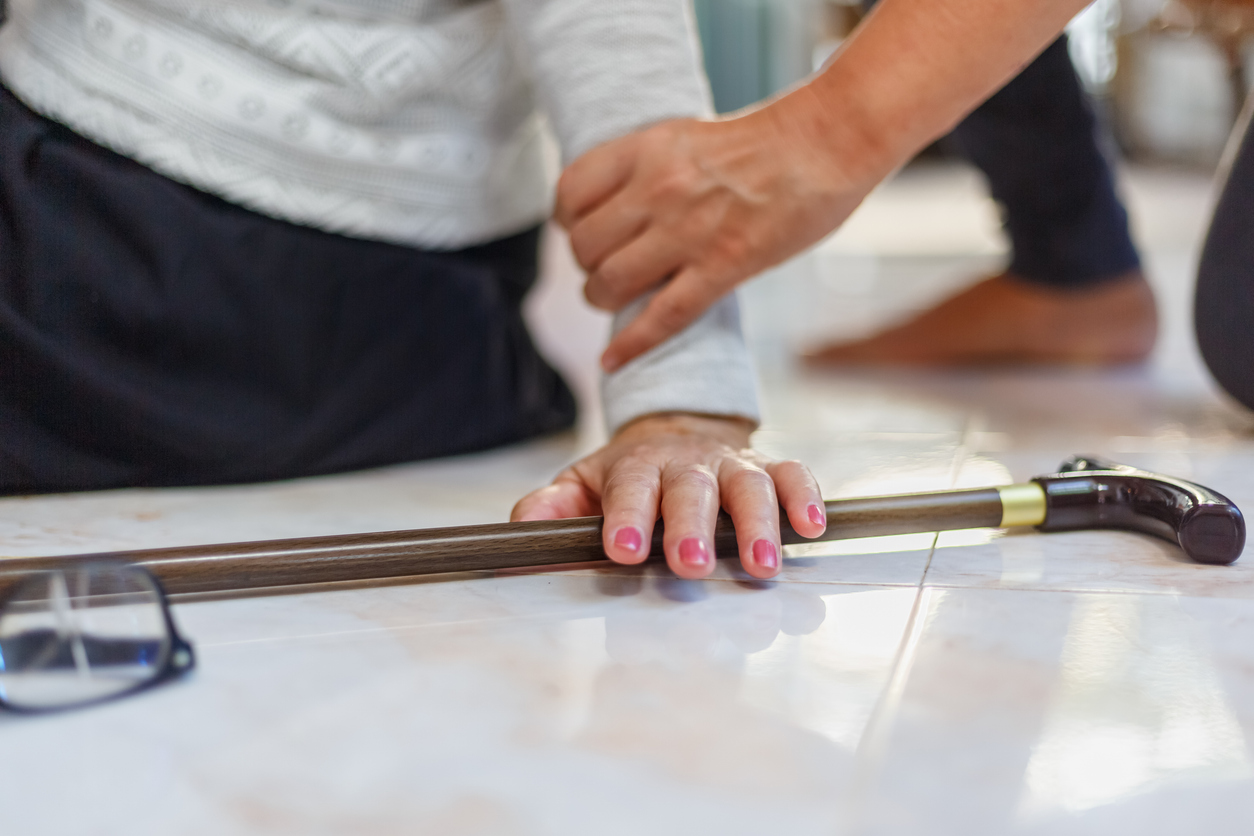
Slip and fall accidents in nursing homes can result from preventable hazards and alleged negligence. When facilities do not maintain safe environments or provide appropriate supervision, residents may suffer serious injuries. The Cornwell Firm helps Savannah families pursue claims against nursing homes when facility conduct is believed to have contributed to fall injuries. If your family member experienced a fall that may be linked to facility failures, we can review the situation and explain your legal options.
Table of Contents
Why Choose The Cornwell Firm for Your Nursing Home Slip and Fall Claim
When a loved one suffers a slip and fall injury in a nursing home, families often face both legal questions and emotional strain. The Cornwell Firm handles injury and premises-liability claims in Georgia and understands how nursing home falls can impact residents and their families. Our team reviews fall incidents, evaluates available evidence, and works to hold facilities accountable where the facts and law support a claim.
Nursing homes are expected to maintain reasonably safe conditions, assess fall risks, and follow applicable standards of care. When they fall short of these expectations, residents can be harmed. We may work with medical professionals, facility records, and witness statements to build cases that seek compensation for medical expenses, pain and suffering, and, when appropriate, long-term care needs.
What Causes Slip and Fall Accidents in Nursing Homes
Environmental Hazards
Nursing homes are expected to maintain safe premises for residents. Environmental issues that can contribute to falls include wet floors without adequate warning, poor lighting in hallways and common areas, clutter or equipment left in walkways, missing or damaged handrails or grab bars, and uneven flooring or worn carpeting. Many of these hazards can be addressed through maintenance and safety protocols. When problems are not corrected, conditions may increase the risk of falls. Understanding premises liability law is important for evaluating these situations.
Staffing and Supervision Issues
Staffing levels and supervision can also affect fall risk. Falls may occur when residents who need assistance with mobility, transfers, or bathroom use do not receive timely help. In some facilities, limited staffing or competing demands can delay responses to call lights or requests for assistance. Residents at higher risk of falling may be especially vulnerable when supervision and assistance are inconsistent.
Common Injuries from Nursing Home Falls
Slip and fall accidents in nursing homes often lead to significant injuries. Residents may suffer hip fractures and other broken bones requiring surgery and rehabilitation. Head injuries, including concussions and traumatic brain injuries, can affect cognition and behavior. Spinal injuries may result in mobility loss. Internal injuries and soft-tissue trauma can also occur. These injuries frequently require hospitalization, follow-up care, and changes to a resident’s daily routine and quality of life. Learn more about personal injury case value.
How Nursing Homes Can Be Held Liable
Nursing homes have legal duties to provide care consistent with applicable standards and to take reasonable steps to protect residents from foreseeable harm. Liability may arise when facilities fail to assess fall risks, implement reasonable prevention measures, maintain safe premises, provide appropriate supervision, or respond to known hazards, and those failures are shown to have contributed to resident injuries.
To pursue liability, you generally must show that the nursing home had a duty to your loved one, breached that duty through action or inaction, and that the breach was a cause of the fall and resulting injuries. Documentation is important. Incident reports, maintenance records, staffing schedules, and resident care plans may help show what happened and whether standards were met. An attorney can request and review these materials and use them, along with expert analysis, to build a case. See our guide on how to file a personal injury claim.
Steps to Take After a Nursing Home Fall Injury
Taking appropriate steps after a fall can help protect your family member and preserve evidence:
- Document the incident with notes and, when possible, photos of the location and any visible hazards.
- Obtain prompt medical evaluation and follow recommended treatment.
- Request copies of incident reports or written summaries from the facility.
- Preserve relevant items, such as footwear, that may relate to how the fall occurred.
- Consider consulting with an attorney before providing detailed statements to insurers.
- Gather contact information for any witnesses, including staff or residents who saw the fall or are familiar with facility conditions.
Early documentation may make it easier to reconstruct what happened and evaluate potential claims. Document the scene with photos to preserve critical evidence.
Frequently Asked Questions
What is considered negligence in a nursing home slip and fall case?
Negligence in this context usually means the facility did not exercise reasonable care to help prevent falls—for example, by failing to identify and address hazards, assist residents who need help, or follow applicable safety policies. Whether conduct is negligent depends on the specific facts and the standards that apply to that facility and resident.
How long do I have to file a nursing home slip and fall claim in Georgia?
Georgia generally provides a two-year statute of limitations for most personal injury claims, beginning on the date of injury. Learn more about Georgia’s personal injury statute of limitations. However, timing can be affected by case type and other factors, so it is important to speak with an attorney promptly to understand how these rules may apply and to avoid missing deadlines.
What damages can I recover in a nursing home fall case?
Potential damages may include medical expenses, pain and suffering, and, in some cases, future care costs or other losses. In matters involving conduct beyond ordinary negligence, punitive damages may be available under Georgia law, but they require a higher standard of proof and are not awarded in typical negligence cases. An attorney can review your situation and discuss what types of compensation may be pursued.
Do I need to prove the nursing home was negligent?
Yes. To recover on a negligence claim, you generally must show the facility owed a duty, breached that duty, and that breach was a cause of the injury. Evidence may include facility policies, records, witness statements, and expert testimony about applicable standards of care. An attorney can help gather and present this information. Learn more about comparative negligence in Georgia.
Can I file a claim if the resident signed a liability waiver?
Liability waivers do not eliminate a nursing home’s obligation to comply with legal and regulatory duties. Admission paperwork typically cannot shield a facility from responsibility for negligent care. Whether any contractual language affects a particular claim depends on the wording and the facts, so it is important to have documents reviewed.
Contact The Cornwell Firm for a Free Consultation
If your loved one suffered a slip and fall injury in a Savannah nursing home, call The Cornwell Firm at (912) 225-4938 or complete our online form to discuss the case. The firm offers free case evaluations and works on a contingency fee basis, meaning you do not pay attorney fees unless compensation is recovered. We serve families throughout Savannah and the surrounding areas and can help you understand your options and next steps.

