
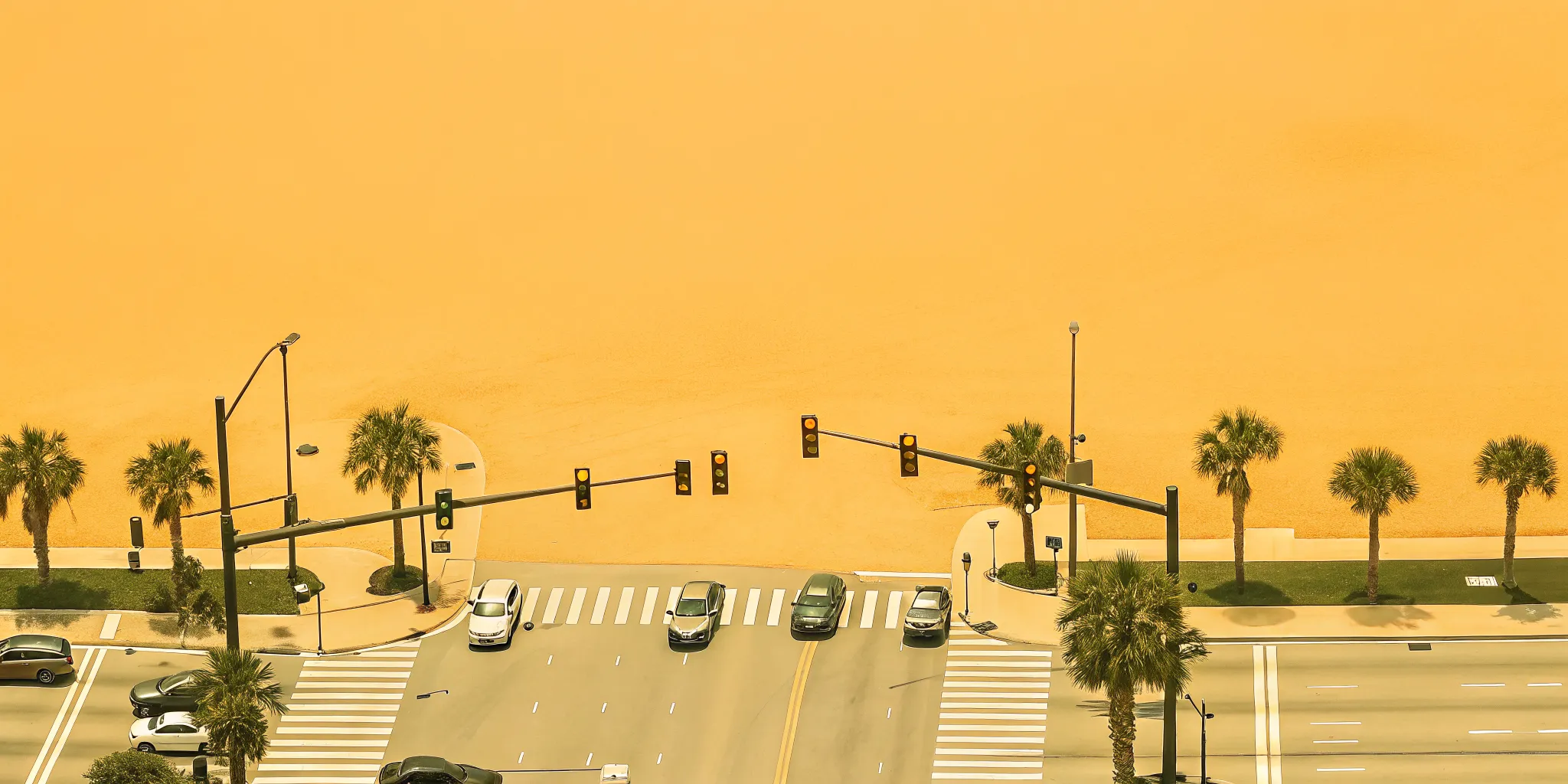
Dangerous intersections Savannah GA drivers face become risky when heavy traffic, turning vehicles, limited sightlines, and changing signals create several conflict points at once. Local crash data shows that a small group of busy crossings accounts for a meaningful share of collisions, making alert driving and prompt evidence preservation especially important.
Request a free case evaluation from The Cornwell Firm if you were hurt in a Savannah intersection crash and want to understand your options.
A changing light or one rushed turn can put several people on intersecting paths in seconds. This guide identifies named Savannah locations with documented crash activity, explains why intersection collisions happen, and outlines practical steps that may help after a wreck.
Why dangerous intersections Savannah GA drivers face require extra care
Dangerous intersections Savannah GA drivers encounter require extra care because each crossing combines through traffic, turns, lane changes, and pedestrian movement in a small space. The Cornwell Firm knows that a crash investigation must examine the entire traffic pattern, not merely the final positions of the vehicles.
An intersection asks drivers to process more information than a straight stretch of road. Within moments, a driver may need to watch a signal, select a lane, judge an approaching vehicle’s speed, scan a crosswalk, and decide whether there is enough room to turn. A mistake by any road user can affect everyone nearby.
Several paths cross in a small space
Every turn creates a possible conflict point. A left-turning driver crosses the path of oncoming traffic. A right-turning driver may cross a marked crosswalk. Vehicles changing lanes near the intersection can surprise drivers who expected them to continue straight. As the number of movements rises, the margin for error shrinks.
Visibility differs from one approach to another
Large vehicles, landscaping, signs, rain, darkness, and glare can make another road user difficult to see. A driver may have a clear view from one lane but a limited view from the lane beside it. No one should assume another driver can see them simply because they can see the other vehicle.
Signal timing and traffic pressure also add difficulty. When vehicles build behind someone waiting to turn, that driver may feel pushed to accept a smaller gap. Waiting until the movement is clearly safe is the better choice.
Which Savannah intersections have documented crash activity?
Documented high-crash locations in Savannah include I-16 at Dean Forest Road, Chatham Parkway and 516, Abercorn Street at White Bluff Road, the Abercorn extension near Truman Parkway, and East DeRenne Avenue. These are not predictions that a crash will happen. They are locations where drivers should expect complex traffic movements.
A 2025 report based on Savannah Police Department information and an analysis of Georgia Department of Transportation figures found 7,975 total bike, car, and pedestrian crashes in Savannah during 2023. Ten intersections accounted for 428 of those crashes, or nearly 5 percent of the total. The report identified the locations above among the crossings with notable crash activity.
That local data gives drivers useful context, but it does not establish fault in any particular collision. Traffic volume, the direction each vehicle traveled, signal status, weather, visibility, and individual decisions still matter. A careful investigation considers those details rather than relying on a location’s reputation.
I-16 at Dean Forest Road, Chatham Parkway, and 516
Intersections near ramps and major corridors bring together vehicles traveling at different speeds. A driver leaving a higher-speed route may need time to adjust before reaching a signal or queue. Other drivers may be merging, choosing a lane, or watching for a turn at the same moment. More following distance gives everyone additional time to react.
Abercorn Street, White Bluff Road, Truman Parkway, and East DeRenne Avenue
Busy multi-lane crossings can involve through lanes, dedicated turn lanes, business entrances, and frequent lane changes. A driver unfamiliar with a route may make a late move after realizing they are in the wrong lane. A familiar driver may also become too comfortable and stop actively scanning for changes.
Conditions vary by time of day and weather. The same crossing may feel straightforward during light traffic but become difficult during a commute or heavy rain.
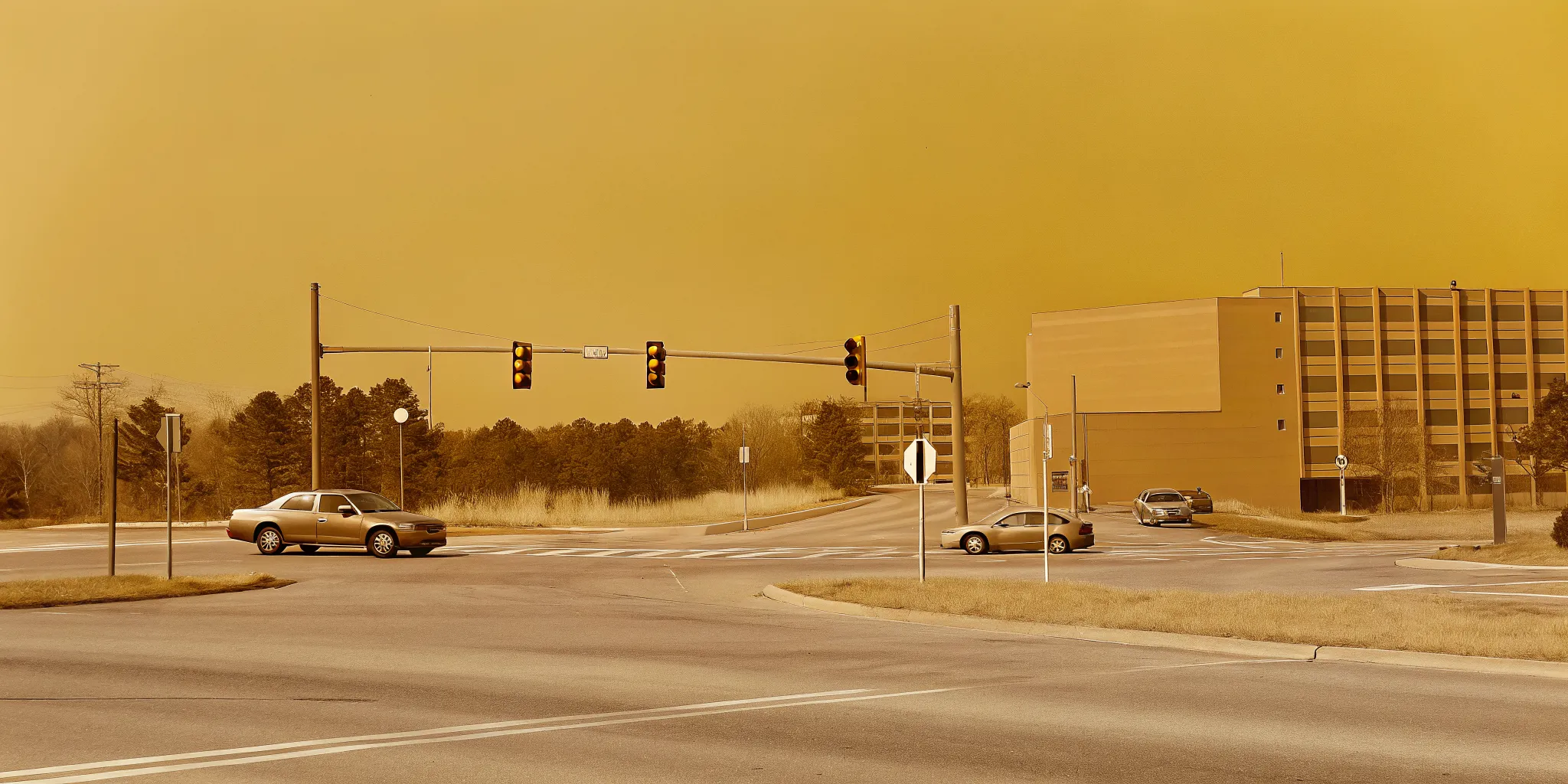
What crashes commonly happen at busy intersections?
Angle crashes, left-turn collisions, rear-end wrecks, sideswipes, and pedestrian or bicycle impacts are common intersection crash patterns. Each pattern points investigators toward different evidence. Vehicle damage, signal timing, lane markings, witness accounts, and video may help explain how the collision occurred.
| Crash pattern | How it may happen | Useful evidence |
|---|---|---|
| Angle collision | A vehicle enters while cross traffic has the right of way | Signal sequence, camera footage, witness accounts |
| Left-turn collision | A turning vehicle crosses the path of an approaching vehicle | Vehicle positions, sightlines, turn signal timing |
| Rear-end collision | A driver cannot stop before reaching a slowing or queued vehicle | Damage pattern, roadway conditions, photographs |
| Sideswipe | Vehicles merge or change lanes near the crossing | Lane markings, vehicle damage, nearby video |
| Pedestrian or bicycle collision | A turning driver does not see a person in or near the crosswalk | Crosswalk signals, lighting, witness statements |
Right-of-way disputes can be complicated
After an angle or turning crash, drivers may give different accounts of the signal or their position. One person may say the light was green while another remembers it differently. Physical evidence and independent information can help test those accounts.
A secondary impact can change the scene
A collision may push a vehicle away from the original point of impact. By the time traffic resumes, the final resting positions may not show exactly where the crash began. Prompt photographs and careful documentation can preserve details that later disappear.
How can drivers reduce intersection crash risk?
Drivers can reduce intersection crash risk by looking ahead, slowing before the crossing, choosing a lane early, leaving following distance, and scanning twice before turning. These defensive habits cannot control another road user. They can create more time and space to react when someone makes an unexpected move.
- Look well ahead. Watch the signal, lane markings, brake lights, and crosswalk activity before reaching the intersection.
- Ease off the accelerator. A moderate approach gives you more time to respond to a changing light or stopped traffic.
- Leave a safe following distance. Space helps prevent a rear-end crash if the vehicle ahead stops suddenly.
- Choose your lane early. Avoid abrupt lane changes near the stop line or in the middle of the crossing.
- Check twice before turning. Scan for approaching vehicles, pedestrians, cyclists, and anyone hidden by another vehicle.
- Pause before entering on green. A green light does not guarantee that cross traffic has cleared.
- Do not race a yellow light. If it is safe to stop, stopping avoids entering as the signal changes.
Adjust for rain, darkness, and congestion
Poor weather can affect visibility and stopping distance. Darkness may make a pedestrian harder to see. Congestion can hide hazards beyond the vehicle ahead. Slow down and increase the space around your vehicle when conditions reduce what you can see or predict.
Patience is also a safety tool. Missing a turn or waiting through another signal cycle is inconvenient, but forcing a maneuver can create a much larger problem. If traffic blocks the far side, wait behind the stop line until there is enough room to clear the crossing.
Learn how The Cornwell Firm approaches Savannah car accident claims and the evidence that may matter after a serious wreck.
What evidence matters after an intersection collision?
Evidence after an intersection collision should document the overall layout, the vehicles, the people involved, and temporary conditions before they change. The Cornwell Firm may examine photographs, witness information, available video, reports, and medical records when evaluating what happened and how the crash affected an injured person.
Scene evidence
Photographs can document vehicle positions, damage, skid marks, debris, lane markings, signs, traffic lights, crosswalks, weather, and visibility. Wide photographs show the overall layout, while closer images capture details. If it is safe, pictures from each approach can show what drivers may have seen.
Nearby businesses, homes, traffic systems, or vehicle cameras may have recorded the event. Video can be overwritten, so identifying possible sources early may matter. Witness names and contact information are also valuable because people can become difficult to locate later.
Records created after the crash
A police report may contain driver information, witness details, diagrams, and an officer’s observations. Medical records can connect symptoms, evaluation, and treatment over time. Repair estimates, vehicle photographs, and insurance communications may also help document the collision’s impact.
Keep records together and preserve original files when possible. Avoid editing photographs or discarding damaged items before asking whether they may be relevant. For more planning guidance, read what to bring to a first meeting with a lawyer.
What should you do after a Savannah intersection crash?
After a Savannah intersection crash, address immediate safety and medical needs, report the collision, exchange information, photograph the scene when safe, and preserve records. Be factual and calm. Avoid guessing about fault, speed, or injuries while the evidence and your medical condition are still being evaluated.
Address immediate safety needs
Call 911 when someone may be injured or the scene creates a hazard. Follow the dispatcher’s instructions. If a vehicle can be moved safely and authorities direct you to do so, moving it may reduce the risk of another collision. Never put yourself in traffic to take photographs or inspect damage.
Seek medical attention for concerning symptoms. Some injuries may not feel severe immediately after a stressful event. A medical professional can evaluate symptoms and recommend appropriate care.
Exchange and preserve information
Exchange contact, vehicle, and insurance information with the other driver. Record witness names and responding agencies when possible. Notify the appropriate insurer and keep copies of related communications.
Before giving a detailed recorded statement or signing documents you do not understand, consider learning about your options. The firm’s guide on how to file a personal injury claim explains the broader process in plain language.
Call The Cornwell Firm at 912-349-7028 to discuss an intersection crash during a free case evaluation.
How can a lawyer help with a disputed intersection crash?
A lawyer can help with a disputed intersection crash by preserving evidence, reviewing conflicting accounts, organizing records, and communicating with insurers. An evidence-based review may reveal signal, sightline, or vehicle-movement details that a brief insurance assessment missed. Results always depend on the facts, and no outcome can be guaranteed.
Investigating before evidence disappears
An attorney may identify potential video, speak with witnesses, review the crash report, inspect photographs, and assess vehicle damage. Depending on the circumstances, the investigation may also consider roadway design, signal information, and expert analysis. The purpose is to build a supported account rather than rely only on competing memories.
Handling insurance communications
An insurer may ask questions, request records, or propose a resolution before the full impact of an injury is known. Counsel can communicate with insurers, organize supporting documentation, and explain available choices.
The Cornwell Firm brings former insurance-defense experience to plaintiff-side representation. Explore the firm’s Savannah car accident attorney guide, read its answers to common injury-claim questions, or use the contact page to start a conversation.
Frequently asked questions about Savannah intersections
What makes an intersection dangerous?
An intersection may become dangerous when several conflict points, limited visibility, heavy traffic, unclear lane choices, and rushed decisions combine. Weather, darkness, pedestrians, and nearby entrances can add further complexity.
Who may be responsible for an intersection crash?
Responsibility depends on the evidence and circumstances. Relevant questions include who had the right of way, whether a driver was turning, whether signals were followed, and whether more than one person’s actions contributed.
Can traffic-camera footage help after a crash?
Available video may help clarify vehicle movements or signal conditions. Not every camera records or preserves footage, and recordings may be overwritten. Identifying possible sources promptly can be important.
Should I speak with an attorney after an intersection collision?
A consultation may help when someone is injured, fault is disputed, evidence may disappear, or an insurer requests information. An attorney can review the circumstances and explain possible next steps without guaranteeing a result.
Request a free case evaluation
If you were injured in an intersection crash in Savannah, The Cornwell Firm can listen to what happened and explain your options. The boutique, family-owned firm offers personalized service, 24/7 availability, English and Spanish support, and contingency-based representation. There are no upfront costs and no attorney fees unless the client wins.
Call 912-349-7028 or request a call back for a free case evaluation today.

