
If you are looking for Savannah rainy-season driving tips, focus on current weather and road conditions rather than a fixed calendar season. Public climate resources from the National Weather Service Savannah climate page and NOAA climate normals describe precipitation across the year and seasonal variation. They do not establish one officially defined rainy season.
Heavy rain can reduce visibility and tire traction. Water on the road can also affect braking, steering, and vehicle control. During intense rain, standing water may form on low-lying roads and at intersections. For general information about injury representation, visit The Cornwell Firm.
Before driving, check current weather alerts and roadway conditions. The National Weather Service Charleston office, Georgia 511, the City of Savannah flood and road-closure page, and local emergency officials can provide current information. Consider delaying nonessential travel when conditions create a safety risk. Never drive around an official road closure, barricade, or traffic-control device. The Federal Highway Administration’s wet-weather guidance explains how rain can affect road conditions.
Table of Contents
Why Heavy Rain Can Make Savannah Roads Dangerous
Heavy rain can create standing water before a driver has time to find another route. Water may cover lane markings, potholes, debris, or damaged pavement.
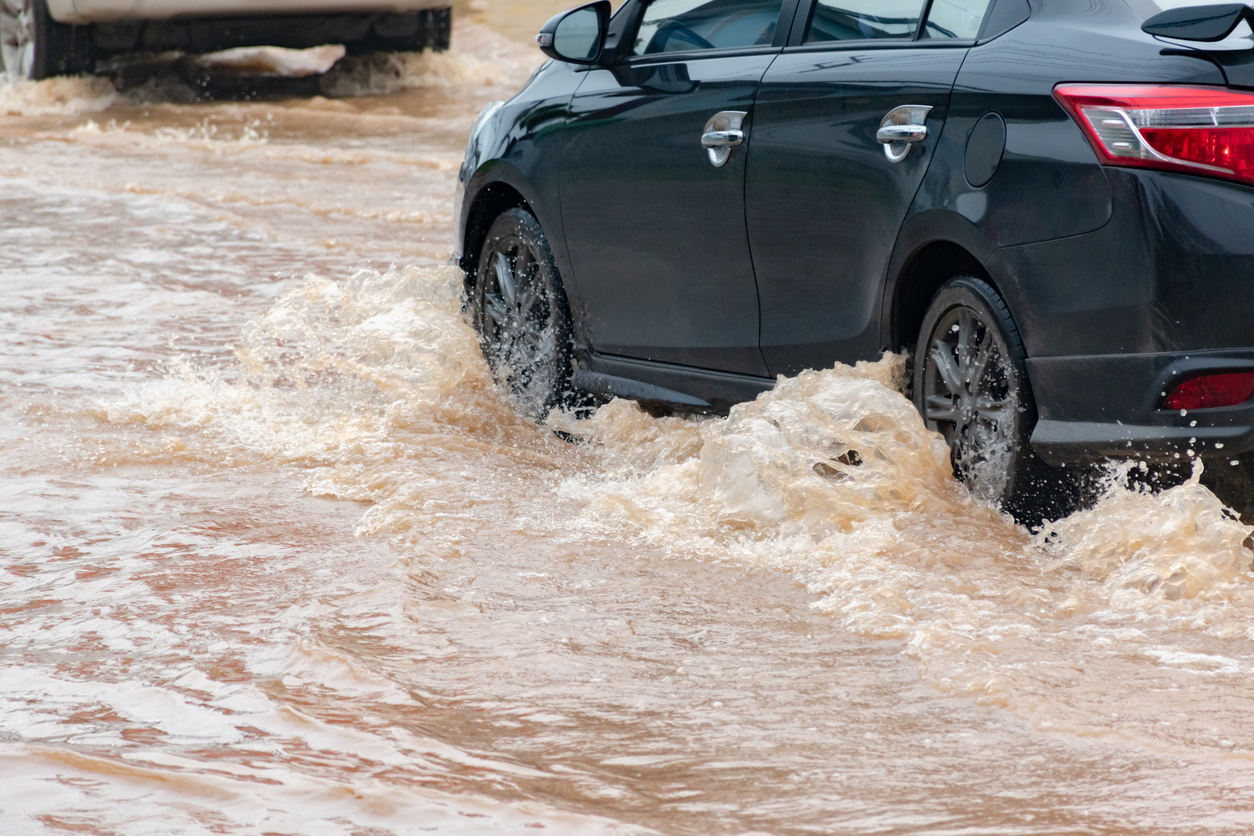
Moving water can affect a vehicle’s path. Water that looks shallow may still hide hazards or affect braking and steering. Floodwater can also damage a vehicle or move it away from the roadway. Do not enter water when you cannot determine its depth, current, or the condition of the road underneath it. Turn around and find another route. The National Weather Service flood-safety guidance supports avoiding unknown floodwater.
Historical lists of streets that have flooded cannot show current conditions. Check live alerts before leaving and again if weather conditions change. The firm’s Savannah car-accident information may provide general legal context after an injury, but it cannot replace emergency guidance.
Prepare Before You Leave
Start with the forecast and current alerts. If a warning affects your route, consider delaying the trip. Ready.gov flood guidance provides general preparedness information for flooding and evacuation decisions.
If you must travel, plan an alternate route that avoids closed roads and areas where water may collect. Share your route with someone you trust when conditions may worsen. Before leaving, check tire pressure and tread, windshield wipers and washer fluid, lights, the defroster, clear windows, phone charge, and emergency supplies when severe weather or flooding is forecast.
Secure loose items in the vehicle. Set navigation before moving. Pull over safely before using a phone or changing your route. You can learn more about the firm’s Savannah office and background, although safety decisions should follow current weather and emergency instructions.
Drive Safely in Heavy Rain
Reduce speed to match visibility, traffic, and road conditions. Wet pavement may increase the distance needed to stop, so leave additional space between your vehicle and the vehicle ahead. The National Highway Traffic Safety Administration’s severe-weather guidance provides additional general driving information.
Use smooth movements when braking, steering, and accelerating. Sudden actions can cause a loss of control. Avoid sudden lane changes and areas of standing water. Use headlights when conditions require them, and avoid high beams when they create glare or reduce visibility for other drivers.
Spray from larger vehicles can block your view. Give those vehicles additional space. If rain prevents you from seeing clearly, pull over in a safe location rather than continuing. Stay focused on the road and watch for pedestrians, bicyclists, stalled vehicles, fallen branches, and debris. The firm’s Savannah attorneys can discuss injury claims after a collision, but an attorney review does not replace emergency guidance.
If Your Vehicle Hydroplanes
Hydroplaning occurs when water reduces a tire’s contact with the pavement. If your vehicle begins to slide, stay calm.
Ease off the accelerator. Avoid hard braking and abrupt steering. Keep the vehicle pointed in the direction you intend to travel, and make gentle corrections as traction returns. This guidance cannot promise that you will avoid a crash. Pull over safely if poor visibility or dangerous conditions continue. The Federal Highway Administration’s rain and flooding resource discusses wet pavement, traction, maneuverability, and visibility.
What to Do When Floodwater Blocks the Road
Do not enter floodwater or cross water of unknown depth or current. Turn around and use another route.
Never drive around or through an official road closure, barricade, or traffic-control device. Do not treat shallow-looking water as safe to cross. If water traps you, call 911 when you can and follow emergency instructions. Move toward higher ground only when you can leave safely without entering moving water. Do not risk your safety to retrieve belongings. Follow the NWS Turn Around, Don’t Drown guidance.
For current information, check Georgia 511, City of Savannah flood-protection information, and the National Weather Service flood-safety guidance. Conditions can change quickly. The Georgia Emergency Management flood resource also provides state safety information.
What to Do After a Weather-Related Collision
Call 911 when someone suffers an injury or dies, or when the collision creates an immediate danger. Follow emergency responders’ instructions.
Move to a safe place when doing so will not create additional danger. Do not delay medical care or evacuation to gather evidence. When safe, exchange identifying, vehicle, and insurance information with the other people involved and follow responders’ directions. Keep the discussion focused on safety and accurate information. Avoid speculating about what caused the collision.
From a safe location, photograph the vehicles, roadway, signs, water, debris, and visible damage. Record the time, location, weather conditions, and names of witnesses when you can do so safely. Preserve dashcam footage and other relevant video lawfully and respectfully. The firm’s client reviews reflect individual experiences and do not predict the result of a weather-related collision claim.
Seek medical care for injuries. Keep copies of medical, repair, and insurance records. Give accurate information to responders and insurers, and avoid guessing about facts you do not know. A weather-related collision may raise questions about injuries, medical care, vehicle damage, insurance communications, and responsibility. The answers depend on the facts, available evidence, and applicable law.
Frequently Asked Questions About Heavy-Rain Driving in Savannah
Is it safe to drive through standing water?
Avoid floodwater. Do not cross water when you cannot determine its depth, current, or the condition of the road underneath it. Water can hide hazards and affect braking and steering. Follow current warnings, closures, and instructions from local officials.
What should I do if my car hydroplanes?
Ease off the accelerator. Avoid hard braking and abrupt steering. Keep the vehicle pointed in your intended direction and make gentle corrections as the tires regain contact with the road. Pull over safely if poor visibility or dangerous conditions continue.
How can I find Savannah roads or closures to avoid during heavy rain?
Check Georgia 511, City of Savannah alerts, and the National Weather Service before leaving and as conditions develop. Road information can change quickly. Do not rely on an old list of streets or assume that an open road will remain open during severe weather.
Does rain automatically determine responsibility for a crash?
Weather alone does not answer questions about responsibility. The analysis may depend on the conduct of the people involved, weather and road conditions, causation, available evidence, and applicable law. A case-specific legal review may help when a collision causes injury, significant losses, or an insurance dispute. You can review The Cornwell Firm’s contact information, but contacting a firm does not create an attorney-client relationship.
Contact The Cornwell Firm About an Injury Collision
If a weather-related collision caused injury or significant losses, you can contact The Cornwell Firm to ask about possible next steps. The firm’s website provides general information about its services. Contacting a law firm does not create an attorney-client relationship, and legal results depend on the facts and applicable law.
Call (912) 225-4938 or use the contact information above to request information. You can also request a callback. Do not delay emergency care, evacuation, or official instructions to contact a lawyer.
Related Posts
- Savannah road safety and dangerous intersections
- Georgia comparative-negligence rules after a collision
- How to prove distracted driving in a Georgia injury claim
- Delayed injury symptoms after a car accident
Sources and Further Reading
National Weather Service rain and flood safety; National Weather Service Turn Around, Don’t Drown; NHTSA driving in severe weather; Ready.gov flood safety; and Georgia Emergency Management flood information provide additional public guidance.
This article provides general information about heavy-rain and flood safety. It does not replace emergency instructions or a case-specific legal review. It does not create an attorney-client relationship or promise a particular legal result.

